AI and the Modeling Industry: Navigating the Balance
The Rise of AI in the Modeling Industry
Artificial Intelligence (AI) is making significant strides in various industries, and the modeling world is no exception. From virtual models to AI-driven fashion shows, technology is reshaping how the industry operates. Understanding how AI is integrated into the modeling space can help stakeholders navigate this evolving landscape.
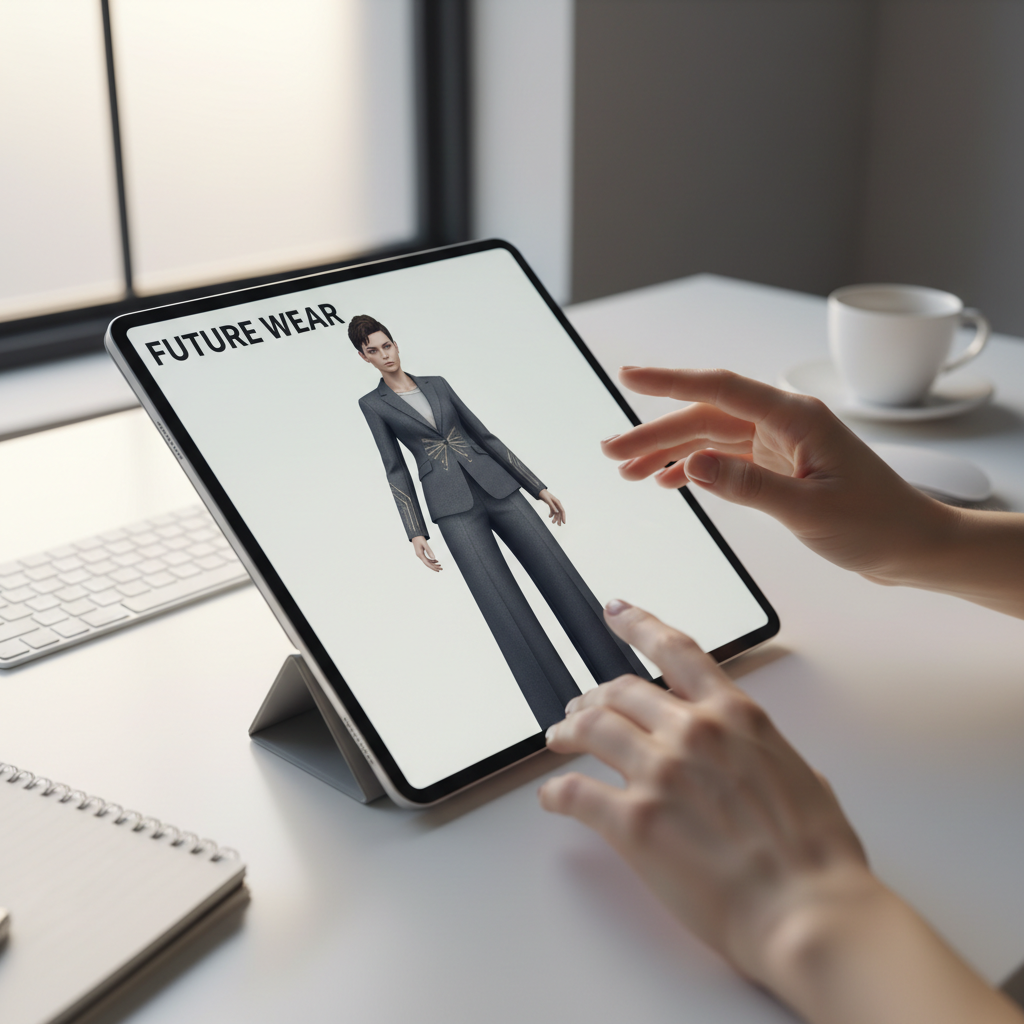
One of the most significant changes brought by AI is the introduction of virtual models. These digital avatars are created using advanced algorithms and can perform almost any task a human model can. Brands are increasingly using virtual models for their campaigns, as they offer consistency, versatility, and can be easily customized.
The Benefits of AI in Modeling
AI offers numerous advantages to the modeling industry. First, it reduces the need for physical locations, enabling brands to conduct photoshoots and fashion shows in virtual environments. This not only cuts costs but also minimizes environmental impact. Additionally, AI can analyze trends and consumer preferences, allowing brands to tailor their collections more effectively.
Moreover, AI-driven analytics can assist in predicting market trends. By processing vast amounts of data, AI can provide insights into what styles and designs are likely to succeed, aiding designers and brands in making informed decisions. This data-driven approach can lead to more successful campaigns and product launches.
Challenges of Integrating AI
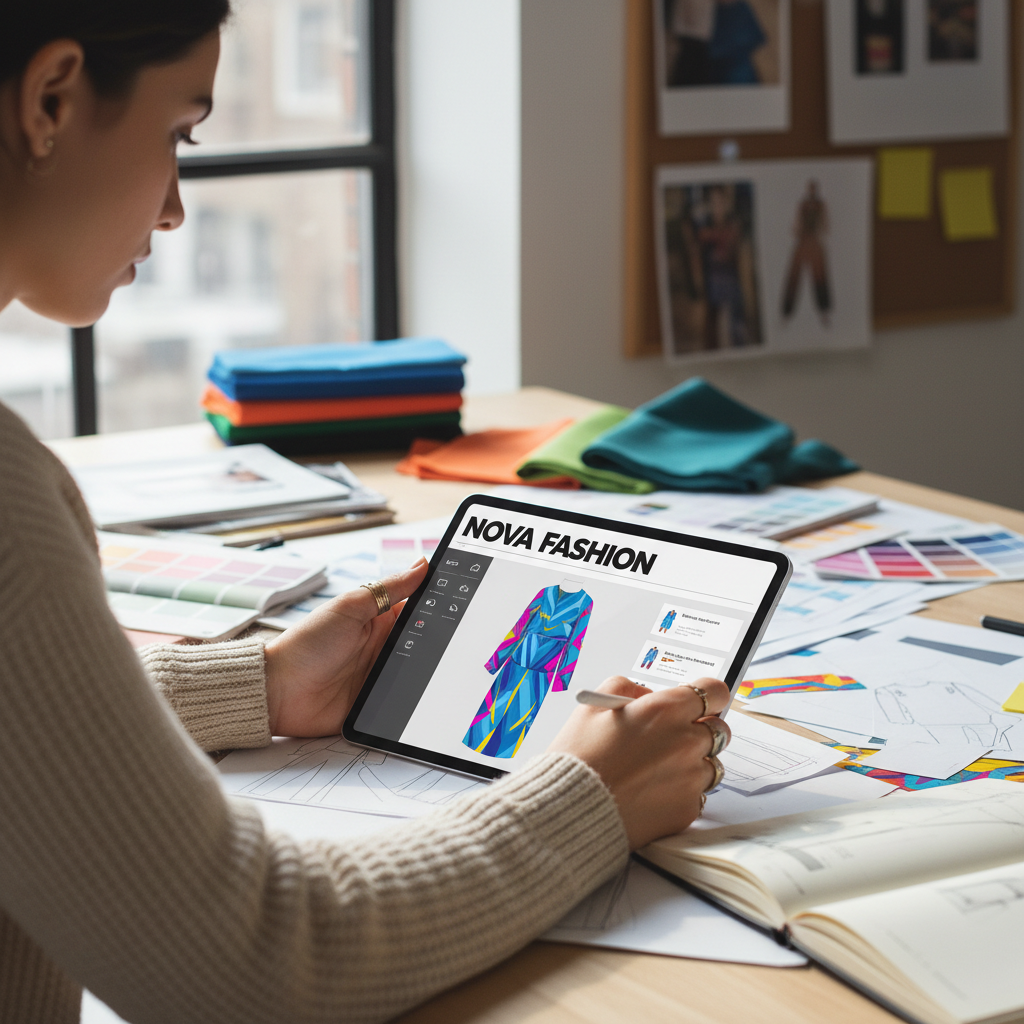
Despite the benefits, integrating AI into the modeling industry is not without challenges. One significant concern is the potential loss of jobs for human models. As virtual models become more prevalent, there could be a reduced demand for human talent, impacting the livelihoods of many individuals in the industry.
There are also ethical considerations regarding representation and diversity. Relying on AI-generated models could lead to a lack of diversity in campaigns if not carefully managed. Brands must ensure that their use of technology reflects the diverse world we live in, promoting inclusivity and representation.
Navigating the Balance
Finding the right balance between technology and human talent is crucial. While AI offers many advantages, human models bring unique qualities that technology cannot replicate, such as emotion and authenticity. The challenge is to blend AI with human elements to create compelling and relatable campaigns.
Collaboration between AI and human models can lead to innovative outcomes. For instance, virtual and human models can be featured together in campaigns, highlighting the strengths of both. This approach not only preserves jobs but also showcases the creative potential of combining technology with human artistry.
The Future of AI in Modeling
As technology continues to advance, the modeling industry will likely see even more integration of AI. This evolution presents opportunities for growth and innovation, provided it is approached thoughtfully. Stakeholders must remain open to change while maintaining a commitment to ethical practices and diversity.
Ultimately, the future of modeling will be shaped by how well the industry can adapt to these technological advancements. By embracing AI while valuing human talent, the modeling world can continue to thrive in a rapidly changing landscape.
PIMN DIRECTOR